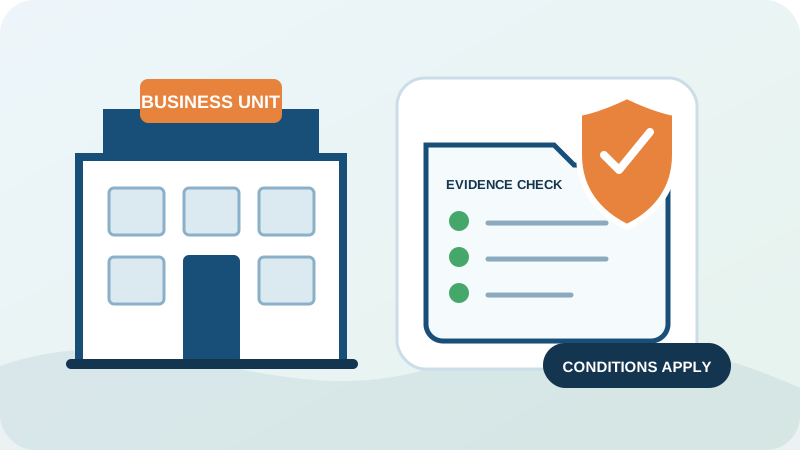

How fit-out status, fixed services, building boundaries and evidence affect a commercial EPC for an empty or refurbished business unit. This guide is written for practical decision-making and links to the sources used for verification.
An empty unit is not automatically outside the EPC rules
A vacant commercial unit may have exposed structure, temporary lighting and no tenant equipment, yet still need an Energy Performance Certificate when it is sold or let. Government non-domestic guidance says that where heating, mechanical ventilation or air conditioning is expected to be installed, the EPC can be based on an assumed fit-out in accordance with Part L of the Building Regulations. That principle expressly covers new shell-and-core buildings as well as existing space offered without installed fixed services.
The correct answer depends on the premises being transacted, the intended use and whether energy will condition the indoor climate. Hot water and lighting are fixed building services, but the detailed government guide explains that they do not by themselves trigger the EPC definition in the same way as fixed heating, mechanical ventilation or air conditioning. Describe the actual and proposed services accurately rather than relying on the word 'shell'.
Define the unit before commissioning the assessment
A commercial EPC can cover a whole building or a part designed or altered for separate occupation. Separate access, independent occupation and control of heating or ventilation can help identify a building unit; shared kitchens or toilets do not necessarily prevent commercial space from being treated separately. A floor in an office building or a unit in a shopping centre are examples given in the official guidance.
Start with the legal interest being sold or let. Mark the boundary on a current plan and identify landlord, tenant and shared areas. If the instruction concerns several floors, subdivided suites, retail with storage, or a mixed-use building, tell the assessor before the visit. A certificate for the entire building should not be assumed to represent one fitted unit, and a certificate for one suite may not cover neighbouring space.
- Full address, unit and floor identifiers
- Measured or reliable plan showing the transaction boundary
- Areas under separate occupation or control
- Shared heating, ventilation, entrances and amenities
- Current and intended activities for each zone
Why the fit-out specification changes the model
Non-domestic EPC calculations consider the fabric and geometry of the building together with zone activities, heating, cooling, ventilation, hot water, lighting and controls. In a completed fit-out, the assessor records the systems and controls actually installed where evidence is available. In a bare unit intended to be conditioned, the methodology may need to model the maximum design fit-out specification permitted by the applicable Part L assumptions.
This is why a shell-stage EPC can look different from a later certificate produced after an efficient tenant fit-out. Government guidance explains that a subsequent fit-out must comply with Part L and can achieve the assumed rating or better if more efficient services are selected. The EPC does not predict the tenant's actual utility bills; it provides a standardised asset rating based on the building model and intended use.
- Construction and insulation evidence for walls, roof, floor and glazing
- Heating, cooling and ventilation specifications
- Lighting type, output and controls
- Hot-water systems and renewable technologies
- Zone activities, operating assumptions and dimensions
Time the EPC around marketing and fit-out decisions
The seller or landlord should commission the EPC before marketing where one is required, and the certificate must be made available to prospective buyers or tenants. Waiting for a future tenant design is not always compatible with that timetable. Give the assessor the intended planning use, landlord specification and available Part L or construction information so the assessment route can be confirmed early.
An internal refit does not automatically trigger a new EPC where the building is otherwise unchanged. The detailed guidance distinguishes a refit from work that creates more or fewer parts designed for separate use and extends or provides fixed conditioning services. Even where a replacement is not legally triggered, a newer EPC may be commercially useful after a major efficient fit-out because the valid certificate on the register will otherwise continue to describe the earlier asset.
Coordinate landlord and tenant evidence
Commercial projects often split responsibilities. The landlord may control the envelope and central plant, while the tenant selects terminal units, lighting and controls. Create a single evidence schedule so the assessor can distinguish installed systems, proposed systems and assumptions. Useful records include as-built drawings, specifications, commissioning certificates, air-permeability results, glazing data, controls descriptions and the latest EPC report reference.
If evidence is missing, the approved software may require conservative defaults. This can materially affect the result and cannot be cured by an unsupported verbal statement. Agree who will provide each record before the site visit, and keep the assessment evidence with the lease and fit-out handover documents for future transactions.
MEES and lease negotiations need separate attention
For relevant privately rented non-domestic property, Minimum Energy Efficiency Standard duties are separate from the question of producing an EPC. The current rating, tenancy type, improvement obligations and any registered exemption can affect whether a letting proceeds. Shell condition and later tenant works can also create practical questions about who pays for improvements or supplies data, but those commercial arrangements do not replace statutory compliance.
Use the EPC as one verified input to the transaction, then obtain legal and building-services advice on lease clauses, consents and fit-out obligations. CertifyEPC can arrange the accredited non-domestic assessment and identify the information needed for the model; it does not determine lease liability or approve the fit-out under building regulations.
Research and verification
Authoritative sources
Use these primary and specialist sources to check the current rule and read further.
Requirements can change and unusual properties may need specialist advice. Check the latest official source and the facts of the property before relying on a compliance conclusion.