What each EICR observation code means, which codes make a report unsatisfactory, and the sensible next steps after inspection. This guide is written for practical decision-making and links to the sources used for verification.
C1 and C2 identify safety risk
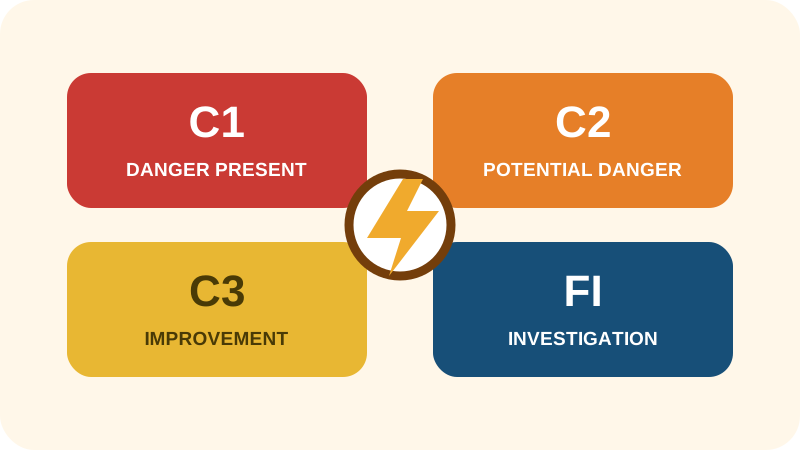
C1 means danger is present and immediate action is required. The inspector should make the situation safe where possible. C2 means potentially dangerous and requires urgent remedial action.
The report should locate the observation and describe it sufficiently for competent follow-up. Do not ask an unqualified person to interpret or repair electrical defects.
FI and C3 serve different purposes
FI means further investigation is required without delay because the inspector cannot determine safety without additional work. Government landlord guidance treats C1, C2 and FI as requiring action.
C3 means improvement recommended. It does not by itself make the report unsatisfactory, but it records a recognised opportunity to improve safety or alignment with current standards.
- C1 – danger present
- C2 – potentially dangerous
- FI – further investigation required without delay
- C3 – improvement recommended
Read the whole report
The summary code is not the whole diagnosis. Review the schedule of inspections, test results, limitations, extent of the installation and recommended retest date.
Ask for a separate remedial quotation where appropriate. After required work, retain the electrical installation certificate, minor works certificate or written confirmation that records what was completed.
Research and verification
Authoritative sources
Use these primary and specialist sources to check the current rule and read further.
Requirements can change and unusual properties may need specialist advice. Check the latest official source and the facts of the property before relying on a compliance conclusion.