Understand the model behind an EPC score, what the current and potential ratings mean, and how to read the recommendation list. This guide is written for practical decision-making and links to the sources used for verification.
What the assessor records
A domestic energy assessor records evidence about the dwelling rather than measuring the occupants’ personal habits. Typical inputs include age and construction type, floor area, wall and roof insulation, windows, heating systems, hot-water arrangements, lighting and any renewable technologies.
The approved calculation method converts those inputs into a modelled energy-cost score. This is why two similar-looking homes can receive different results: extensions, insulation, glazing, heating controls and construction details can materially change the model.
Current rating and potential rating
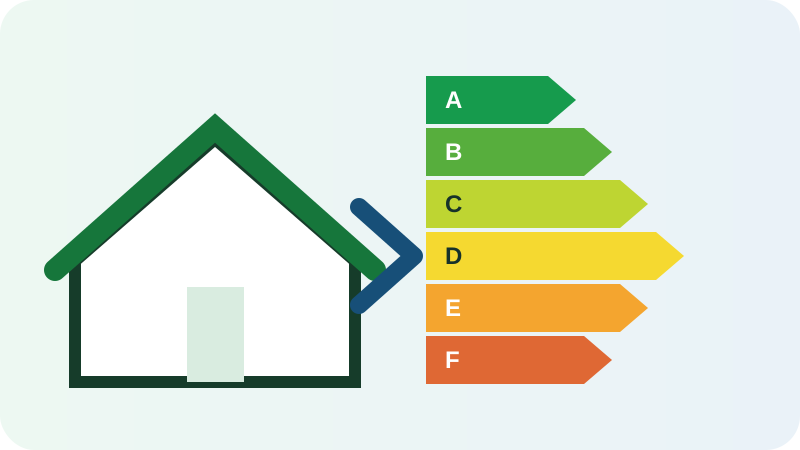
The current rating reflects the property as observed and evidenced on the day. The potential rating estimates the result if the certificate’s recommended measures were installed in the modelled sequence. Bands run from A, the most efficient, to G, the least efficient.
Recommendations are indicative, not quotations or a specification of work. Costs and savings are modelled ranges and can differ from actual outcomes. Obtain specialist advice before committing to structural, heating or renewable-energy upgrades.
- Read the numeric score as well as the letter band
- Check which building elements are described as assumed
- Review recommendations in their stated order
- Keep receipts, guarantees and installation certificates for future assessments
Why evidence affects the result
Where an assessor cannot safely inspect a concealed element or verify an improvement, the approved methodology may require a default assumption. Documentary evidence can therefore be valuable for insulation, extensions, replacement windows, heating systems and renewable installations.
Prepare evidence before the appointment and make lofts, meters, boilers and heating controls accessible where safe. The assessor must remain independent and can only record evidence that meets the methodology.
Research and verification
Authoritative sources
Use these primary and specialist sources to check the current rule and read further.
Requirements can change and unusual properties may need specialist advice. Check the latest official source and the facts of the property before relying on a compliance conclusion.