A room-by-room preparation checklist to help an assessor inspect the property efficiently and record available evidence accurately. This guide is written for practical decision-making and links to the sources used for verification.
Make the important areas accessible
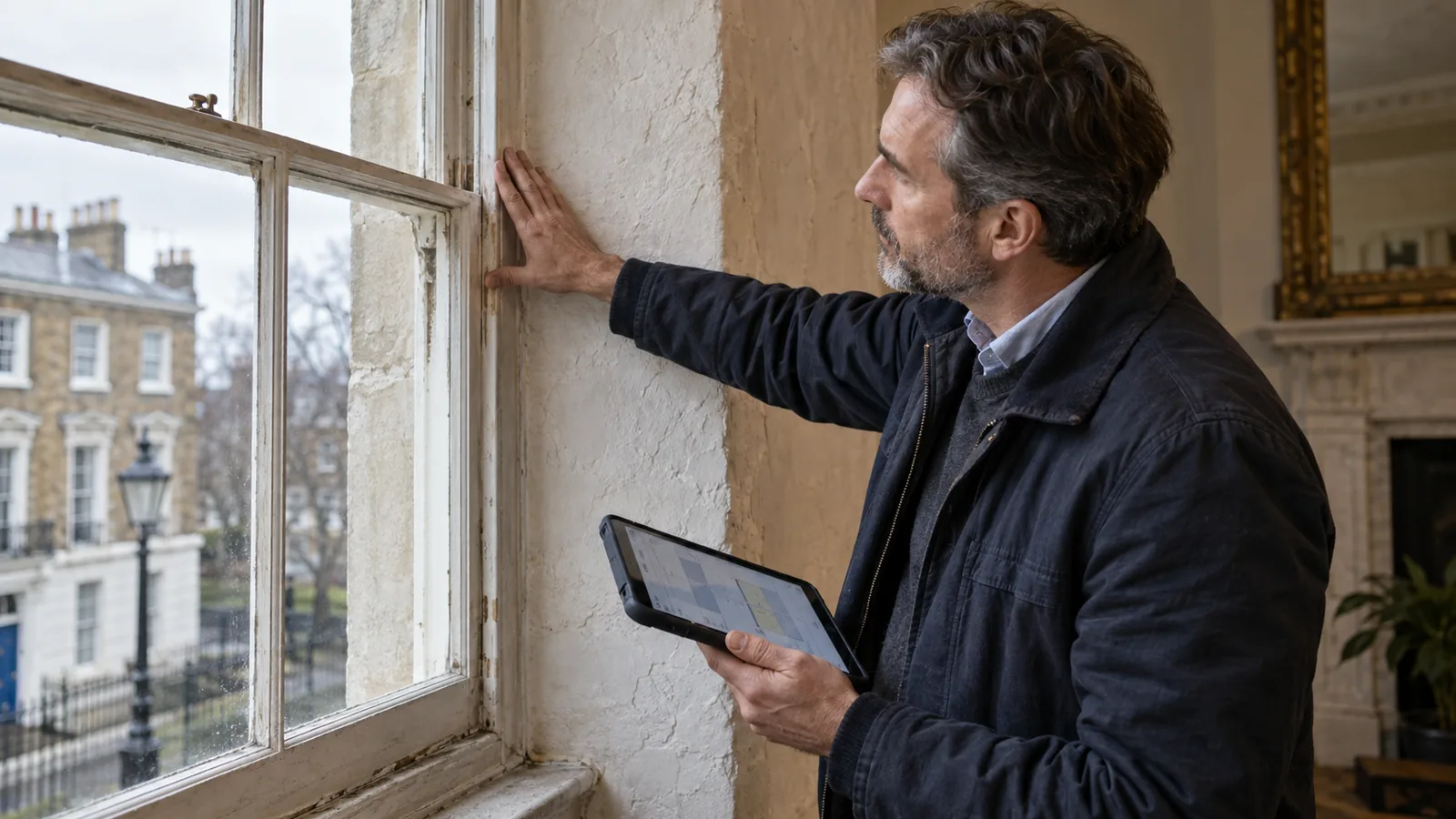
The assessor needs safe access to the dwelling and the features relevant to the energy calculation. Clear reasonable access to the boiler, hot-water cylinder, heating controls, meters, windows and loft hatch. You do not need to redecorate or stage the home.
Tell the assessor in advance about locked rooms, tenants, pets, alarms, parking or concierge arrangements. If the loft hatch requires unusual equipment or is unsafe, say so before the appointment.
- Boiler and heating controls
- Hot-water cylinder and insulation
- Electric and gas meters
- Loft hatch where present and safely accessible
- Windows, extensions and conservatories
- Low-energy lighting throughout the home
Gather useful documentary evidence
Have evidence ready for improvements that may not be visible. Suitable documents can include building-control completion records, insulation guarantees, installer certificates, window documents and renewable-technology commissioning information.
The assessor decides whether evidence meets the approved methodology. A verbal assurance, marketing brochure or unverified photograph may not be enough to override a default assumption.
What not to do
Do not cover, dismantle or alter equipment for the visit, and do not ask the assessor to record a feature they cannot verify. Avoid last-minute cosmetic purchases made only in the hope of changing a rating; the largest effects usually relate to the building fabric, heating, hot water and renewable systems.
After the visit, review the address, property description and recommendation list when the certificate is available. Contact the assessor promptly if you believe a factual input is wrong.
Research and verification
Authoritative sources
Use these primary and specialist sources to check the current rule and read further.
Requirements can change and unusual properties may need specialist advice. Check the latest official source and the facts of the property before relying on a compliance conclusion.