The fixed circuits serving solar PV and home batteries belong in the electrical inspection conversation, but an EICR is not a full equipment safety certificate. This guide is written for practical decision-making and links to the sources used for verification.
One property, two inspection questions
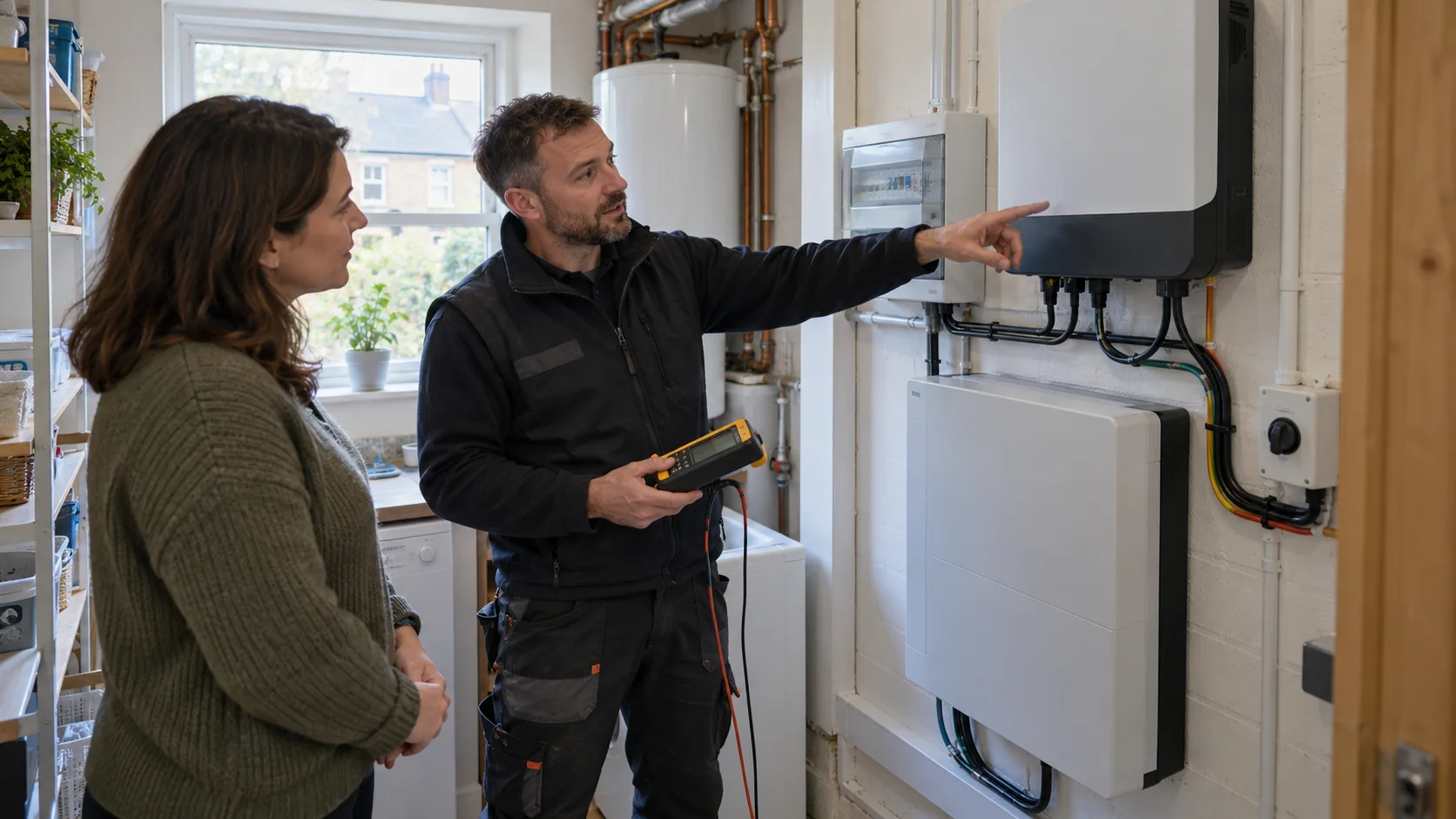
A rental home has solar panels on the roof and a battery in the utility room. The landlord orders an EICR and assumes the report will certify both systems. That assumption needs checking. England's current rented-sector guidance says the fixed electrical installation includes circuits provided for specialist equipment such as solar PV and battery storage. The supply and connected circuits should therefore be discussed when the inspection is scoped.
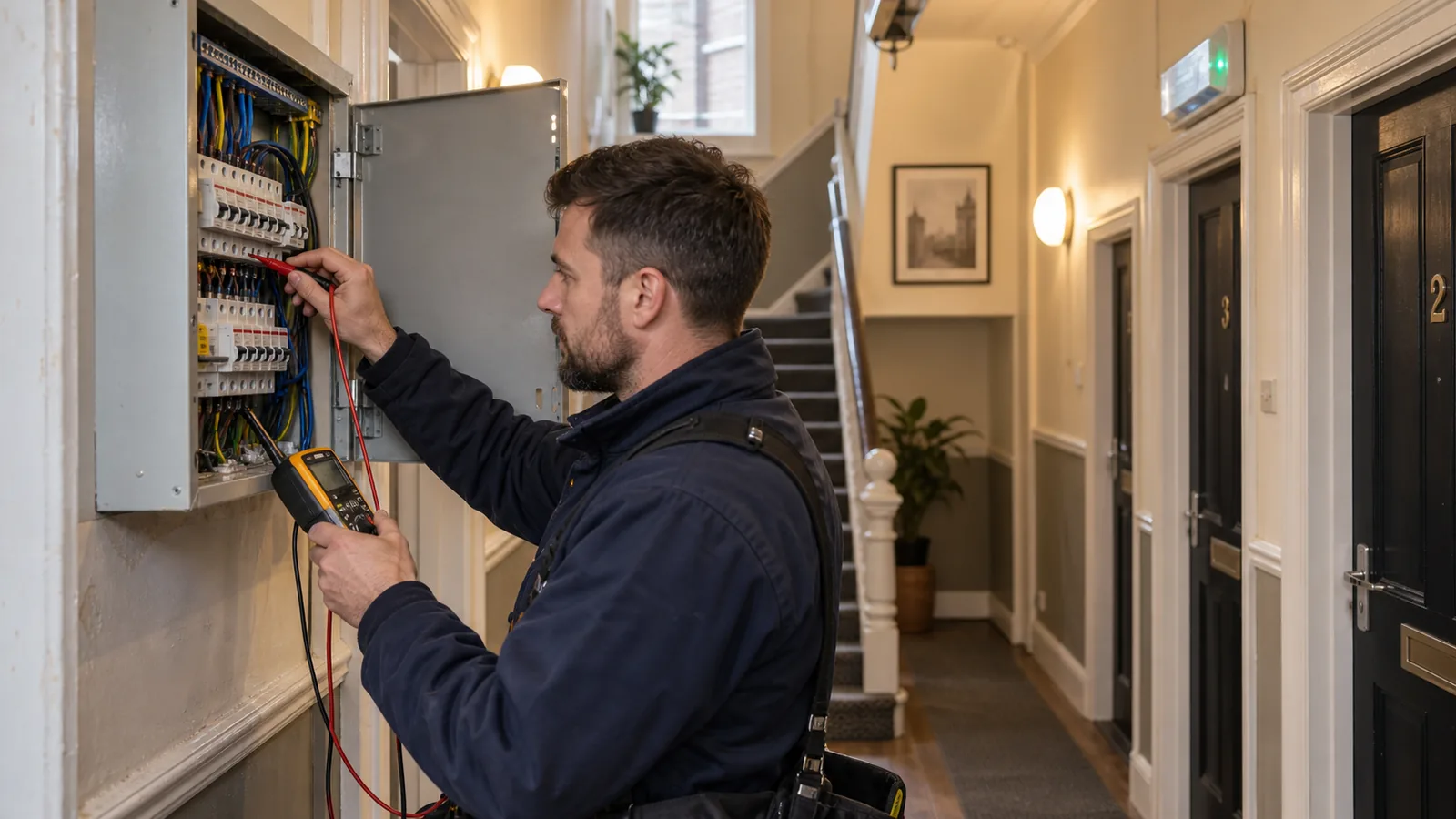
Electrical Safety First's Best Practice Guide 10 draws a separate boundary: an EICR of the general fixed installation does not, by itself, constitute a detailed inspection and test of the PV equipment or the battery storage system. Those elements may need additional competent-person assessment under the relevant standards.
Read the report's scope, not just its outcome
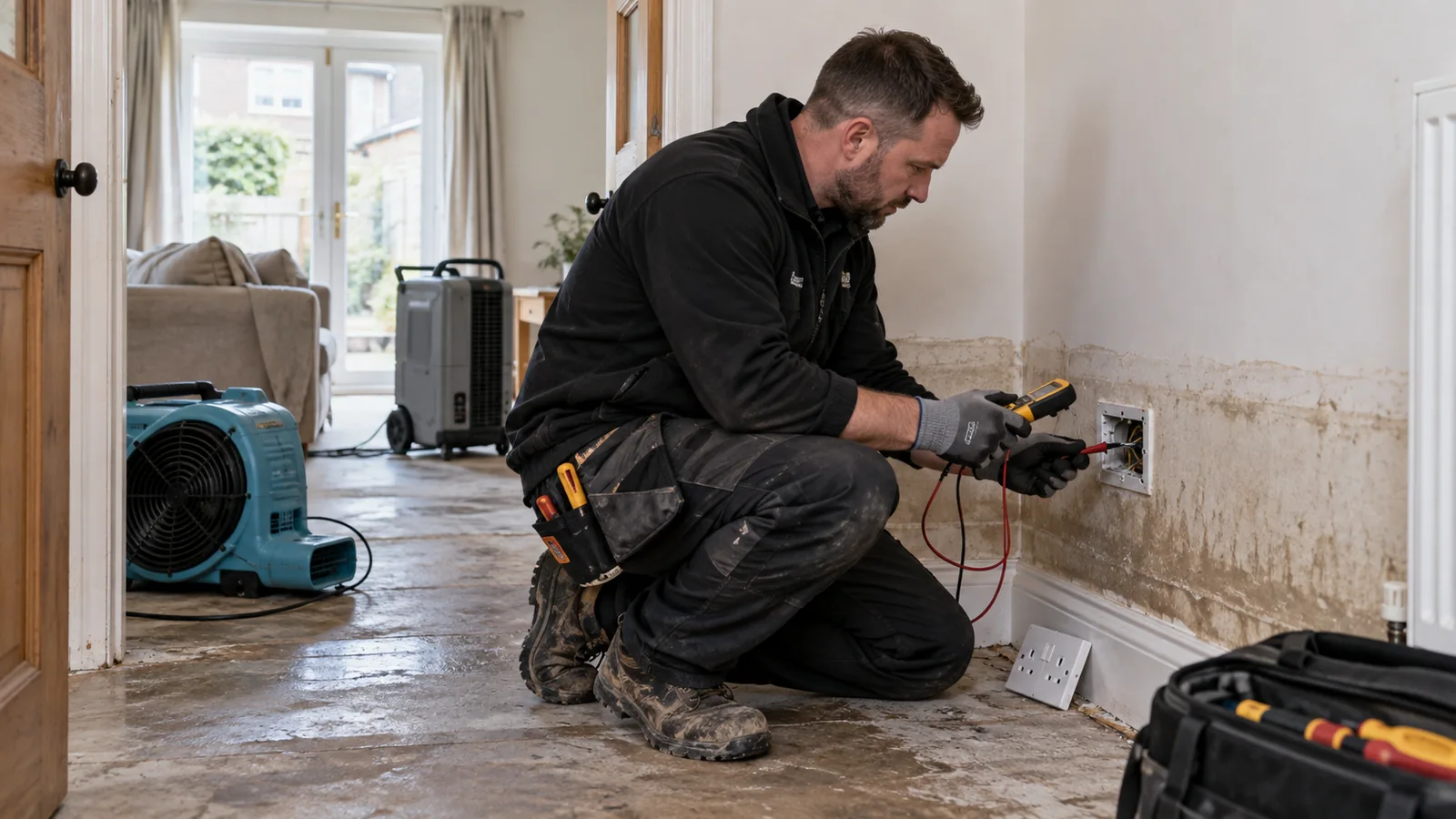
A satisfactory EICR is an important result for the installation examined. It is not a blanket statement that every inverter, panel and battery component is operating safely or has been serviced. Check the schedule, limitations and any exclusions. If the electrician did not have access to an isolator, plant area or relevant circuit, make that limitation visible and agree what further work is needed.
An EICR dated before the solar or battery installation will not document the later work. Keep the installation certificate, commissioning paperwork and any manufacturer service records with the property's electrical file. Ask the qualified inspector whether the existing report and new-work documents together give a clear picture or whether a further inspection is appropriate.
What to tell the inspector before quoting
Give the assessor the system type, approximate installation date, inverter and battery locations, and details of any separate consumer unit or new circuit. Explain whether the property is occupied and who can provide safe access. If equipment-specific periodic testing is required, ask for it to be named separately in the quote and carried out by someone competent for that system; do not assume it is included in a standard EICR price.
The safest paperwork is explicit: one record for the fixed-installation inspection and the right additional evidence for specialist equipment. A report title alone cannot resolve both questions.
- Tell the inspector about PV, batteries and any EV charger
- Share installation and commissioning certificates
- Confirm the EICR scope and stated limitations
- Agree specialist equipment checks separately where needed
Book the inspection with the scope clear
CertifyEPC can arrange an EICR for a London rental property. Mention solar PV or battery storage at enquiry stage so the electrical inspector can confirm the relevant circuit scope and advise whether a separate specialist inspection should be arranged.
Research and verification
Authoritative sources
Use these primary and specialist sources to check the current rule and read further.
Requirements can change and unusual properties may need specialist advice. Check the latest official source and the facts of the property before relying on a compliance conclusion.